
The Earth’s Illness
Leave the World BehindThis flow traces the novel’s ecological unease from background observation to an explicit sense that planetary damage is already shaping events.
increasing Bearing strength in each event
 decreasing
Bearing strength in each eventdecreasingA Green Landscape
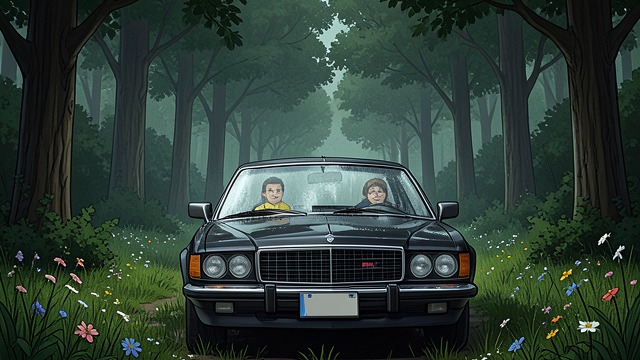
A Green Landscape
Beauty and Discomfort
The family passes lush vegetation, farms, and woods, and the landscape seems almost overwhelming in its abundance. Nature is both an attractive feature of the vacation and an unfamiliar force outside the car.
Human Distance
The adults consume the scenery as a backdrop while remaining focused on work, traffic, and family routines. The narrative quietly questions whether people can see the environment they depend upon.
Weather in the Background
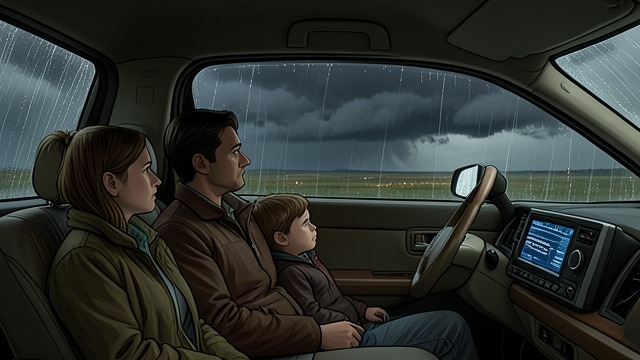
Weather in the Background
Hurricane Season
Reports mention an intensifying hurricane season and a storm making landfall elsewhere. The family treats this news as distant context rather than immediate danger.
A Changing Climate
The adults recall increasingly severe storms and altered seas, but these concerns remain mixed with ordinary vacation planning. The disaster arrives in a world already marked by environmental instability.
Signs in the Woods
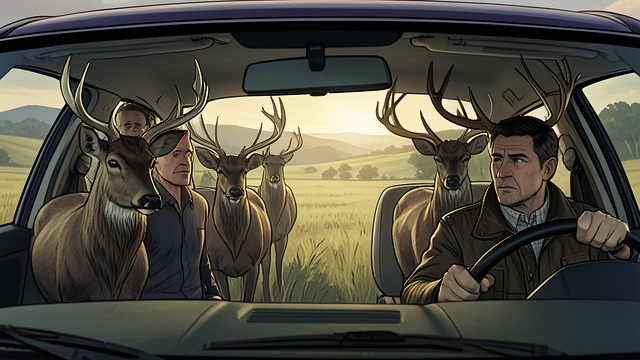
Signs in the Woods
Unusual Animal Presence
Rose sees a vast group of deer, and later Danny describes another large migration. The scale of the animals’ movement suggests that the landscape is responding to something humans have not identified.
Human Interpretation Lags
The adults initially treat animals as background or anecdote. Their movements become meaningful only after the human systems around the family begin to fail.
A Noise in a Damaged World
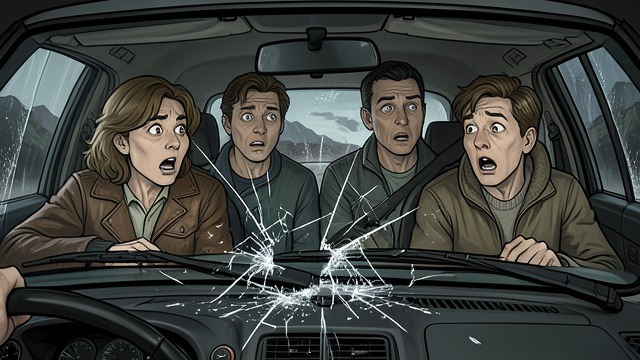
A Noise in a Damaged World
Physical Disturbance
The powerful noise damages glass and disrupts the family’s sense of safety. It is never reduced to a simple weather event or explained through a complete scientific account.
Ecological Anxiety
The narration connects the noise and wider disorder to a world already shaped by pollution, climate change, and human intervention. The crisis feels less like an isolated accident than a consequence arriving without a clear label.
A Changed Living World
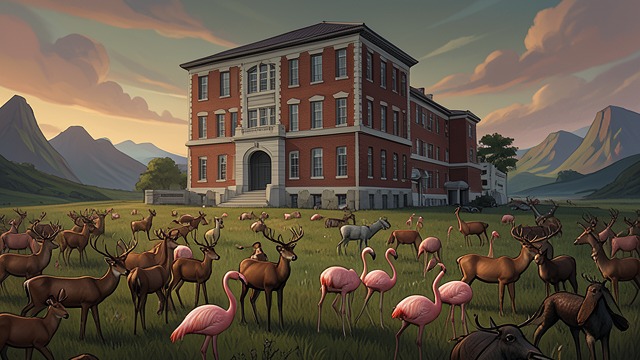
A Changed Living World
Displaced Animals
The novel describes deer moving in enormous numbers and flamingos appearing far from their expected setting. These animals are not simply symbols; they are living beings displaced into unfamiliar conditions.
Adaptation Without Permission
Rose finds the possibility of future life in the surviving landscape, while the adults fear its changes. The ecological future is not restored to an earlier balance; it is an uncertain world that will continue without human certainty.
The family’s drive through Long Island
The first day at the rental
The first morning after the blackout
After the first day of blackout
Near the novel’s ending
